MetroMandi logo MetroMandi

Best Beauty Brands and Fake Deals: 7 AI Scam Checks

AI shopping scams are surging this festive season. Use our 7-point checklist to spot fake deals and fake discounts before you pay. Shop smart.
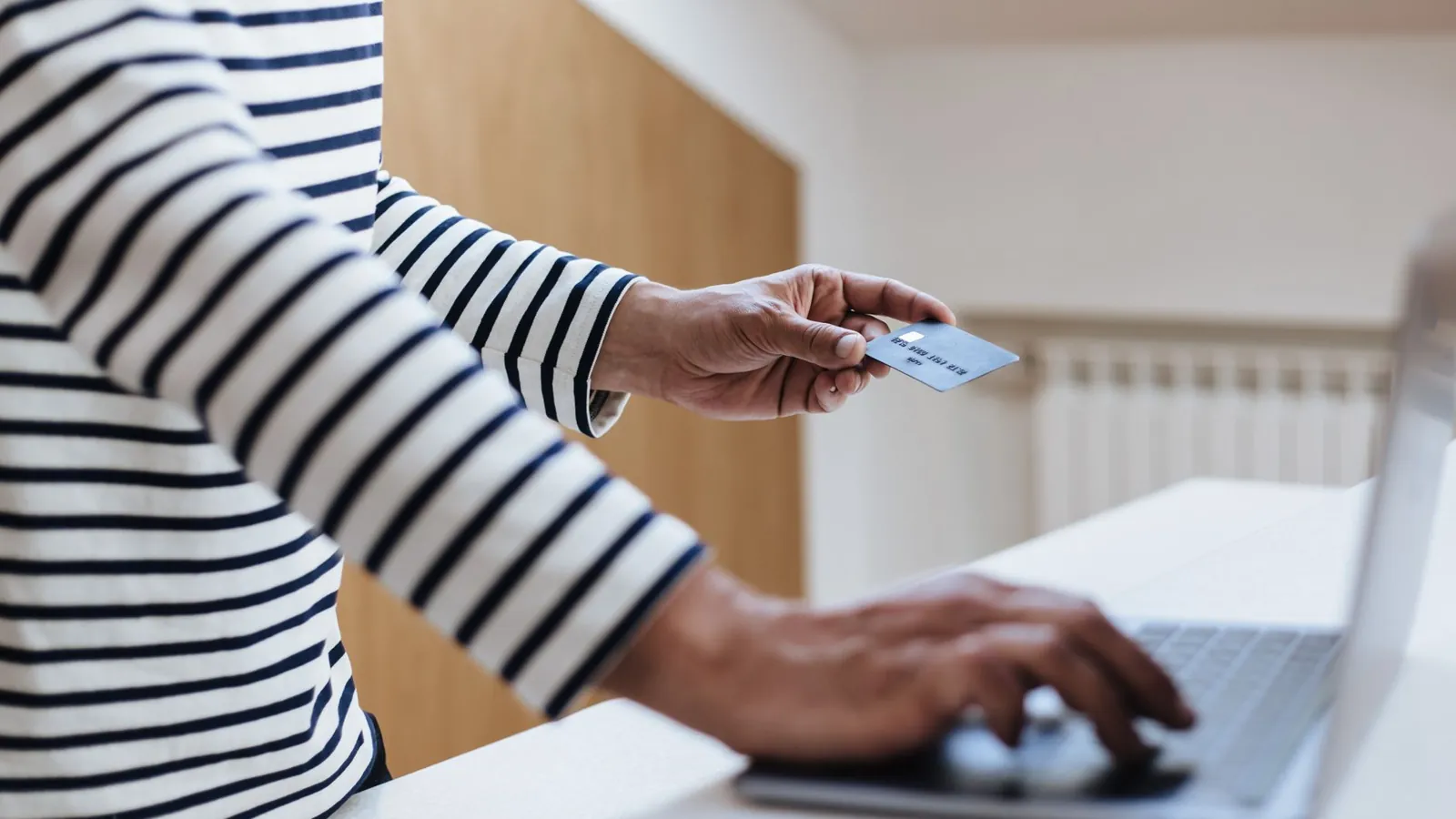
AI Shopping Scams Are Rising: 7 Ways to Spot Fake Deals This Festive Season — illustrative featured image
# AI Shopping Scams Are Rising: 7 Ways to Spot Fake Deals This Festive Season A WhatsApp forward lands at 11pm: a "flash sale" on a cult serum, 70 percent off, link valid for two hours. The product page looks immaculate. The reviews sound human. The countdown timer is already at 00:47. You tap pay, the money leaves your account in seconds, and the parcel never arrives. This is the new shape of festive fraud, and it is getting harder to catch because the fakes now look better than the real thing. Storyboard18 reported this month that AI has supercharged festive shopping scams, with [fake deals](/blog/how-to-spot-fake-deals-a-shopper-s-guide-to-avoiding-online-fraud) now putting both consumers and brands at risk. The mechanics are simple. Generative tools write the product copy, clone the storefront design, and spin up hundreds of plausible reviews in an afternoon. What used to take a fraud ring a week now takes a laptop and a free trial. We spend our days trawling coupon pages, so we have watched the quality of these fakes climb. The good news: the tells are still there. You just have to know where to look. Below is our ranked checklist, ordered by how much damage each check prevents, plus the tools and habits that actually earn their keep. If you are hunting the best beauty brands this Diwali season, read this before you tap any "buy now" button. ## How we ranked these checks We scored each check on three things: how much money it saves you when it catches a scam, how fast you can run it (under two minutes wins), and how well it survives AI-generated fakes. A check that only works on clumsy 2020-era scams did not make the cut. We also priced the paid tools, because some of them are worth ₹500 a year and some are a waste of ₹5,000. ## The 7 checks, ranked ### 1. Reverse-search the product image before you trust the price This is the single highest-value check, and it costs nothing. Save the product photo and run it through Google Lens or a reverse image search. AI-generated storefronts often lift hero images from the real brand and rehost them on a lookalike domain. If the same photo appears on twelve unrelated sites, you have found a dropship scam wearing a costume. Run this first on any deal above ₹2,000. It takes 40 seconds and has saved us from more fake "limited edition" listings than any other habit. ### 2. Check the domain age, not the design A polished site means nothing in 2026. A domain registered three weeks ago does not. Paste the URL into whois.domaintools.com or a free WHOIS lookup. Legitimate retailers have domains measured in years. Scam sites are often weeks old and registered through privacy proxies. **Skip this check** if you are already buying from a brand you have used before. It is for first-time sellers and unfamiliar links only. ### 3. Cross-check the discount against the brand's own store [Fake discounts](/blog/don-t-fall-for-fake-discounts-and-paid-rankings-a-guide-to-smart-online-shopping) work by inventing an inflated "MRP" and slashing it. A ₹4,999 "original price" on a ₹1,299 serum is a fiction if the brand sells that serum at ₹1,299 every day. Open the brand's official site in a second tab and compare. If the "sale" price is the normal price, there is no deal. This is where the best beauty brands get impersonated most, because their real prices are high enough to make a fake 60 percent cut look believable. Nykaa and Sephora both publish current pricing, so the comparison takes a minute. ### 4. Read the reviews for rhythm, not sentiment AI-written reviews have a tell: they are too even. Real reviews swing between furious and delighted, with typos and odd specifics ("the pump broke on day nine"). Generated ones tend to be balanced, generic, and suspiciously well punctuated. Look for reviews posted in bursts on the same date, or accounts with a single review each. If every review is five stars and mentions "value for money" in the same phrasing, close the tab. ### 5. Test the checkout for red flags Legitimate Indian retailers take UPI, cards, and net banking through a payment gateway with a recognizable name (Razorpay, PayU, Cashfree). Scam sites often push you toward a direct UPI transfer to a personal handle, or a "bank transfer only" option. A real store does not ask you to send money to an individual's VPA. | Red flag | What it usually means | |---|---| | UPI to a personal name | No buyer protection, money gone | | No COD option at all | Seller cannot risk a return | | "Pay within 10 minutes" pressure | Manufactured urgency | | No GST number or address | Shell operation | ### 6. Use a card, never a wallet transfer If you must take a risk on an unfamiliar seller, pay by credit card. Under RBI rules and card network chargeback policies, you have a route to dispute a fraudulent charge. A UPI transfer to a scammer is effectively final. This one habit limits your worst-case loss to a phone call and a form. ### 7. Verify the coupon source itself Fake [coupon codes](/blog/shein-temu-and-walgreens-photo-best-coupon-codes-and-how-to-find-them) are their own scam. A site promises "extra 40 percent off" and sends you to a phishing page that harvests your login. Stick to coupon sources that link directly to the retailer's own domain. If a code takes you anywhere other than the brand's checkout, it is not a coupon, it is bait. ## Our take: what to actually use Here is where we land, with real numbers. **The one to buy:** a password manager with built-in breach alerts, like Bitwarden Premium at about ₹830 a year or 1Password at roughly ₹3,000 a year. It stops credential phishing, which is how most fake-deal scams get into your accounts. Worth every rupee. **The value pick:** Google Lens and a free WHOIS lookup. Zero cost, catches the majority of lazy fakes. Pair them and you have covered checks one and two for nothing. **The one to avoid:** paid "deal alert" apps that charge ₹299 a month and simply scrape public coupon pages. You are paying for information that is free, and some of them monetize by selling your clicks to sketchy affiliates. Skip them. For the best beauty brands specifically, buy direct from the brand or from an established marketplace. The savings from a mystery link are rarely worth the risk of a counterfeit serum on your skin. ## FAQ **How do I spot a fake discount fast?** Open the brand's official site and compare the price in one tab. If the "sale" price matches the everyday price, there is no discount. It takes under a minute. **Are AI shopping scams really that common now?** Yes. Generative tools let fraudsters build convincing storefronts and fake reviews in hours, which is why festive-season scams have climbed sharply. The design looks real; the domain age and payment method usually do not. **Should I ever pay by UPI to an unknown seller?** No. UPI transfers to individuals offer almost no chargeback route. Use a credit card so you can dispute a fraudulent charge.

Frequently asked questions

How do I spot a fake discount fast?

Open the brand's official site and compare the price in one tab. If the "sale" price matches the everyday price, there is no discount. It takes under a minute.

Are AI shopping scams really that common now?

Yes. Generative tools let fraudsters build convincing storefronts and fake reviews in hours, which is why festive-season scams have climbed sharply. The design looks real; the domain age and payment method usually do not.

Should I ever pay by UPI to an unknown seller?

No. UPI transfers to individuals offer almost no chargeback route. Use a credit card so you can dispute a fraudulent charge.