MetroMandi logo MetroMandi

Best Sale Today Online: Spot Fake Discounts, Skip Paid Rankings

Stop overpaying. Learn to spot fake discounts and paid rankings, check price history free, and shop smart with our ranked picks. Real prices inside.
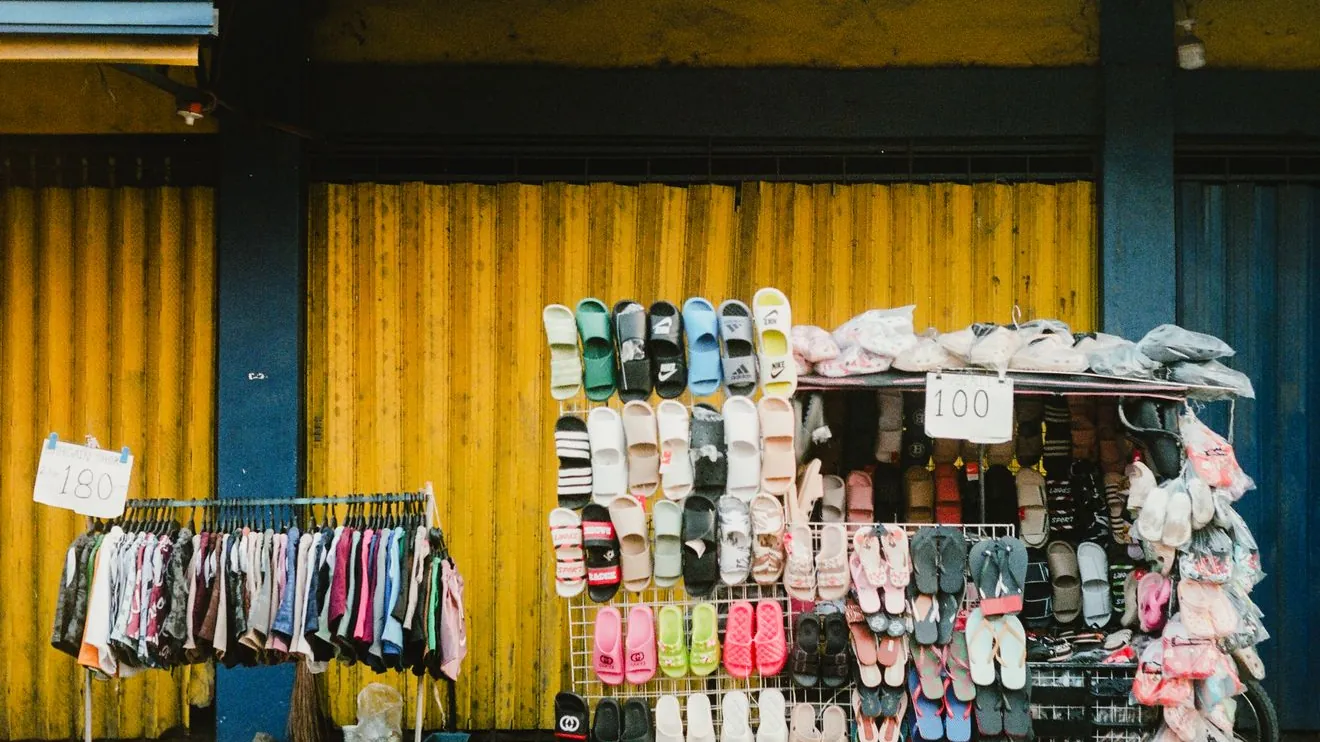
Don't Fall for Fake Discounts and Paid Rankings: A Guide to Smart Online Shopping — illustrative featured image
# Don't Fall for Fake Discounts and Paid Rankings: A Guide to Smart Online Shopping Last week a reader forwarded us a screenshot. A pair of running shoes on a major marketplace showed an MRP of ₹8,999, slashed to ₹2,499. Great deal, right? We pulled the listing's price history. Four weeks earlier, the same shoes sold for ₹2,299. The "75% off" was a number someone typed into a box, not a discount. This is the machinery behind the hunt for the [best sale today online](/blog/amazon-great-indian-festival-32-years-of-amazon-best-deals). It runs on two tricks: inflated anchor prices and product rankings that brands pay to occupy. Neither is illegal in most markets. Both are designed to make you feel urgency where none exists. Here is how to spot them, and what to actually buy. ## First, the selection criteria We ranked approaches, not products. Every option below had to clear four bars: - **Verifiability.** Can you check the claim independently, in under five minutes, without an account? - **Cost to you.** Free tools beat paid ones unless the paid tool saves real money. - **India fit.** Works with INR pricing, Indian marketplaces ([Amazon](https://www.amazon.com/).in, [Flipkart](https://www.flipkart.com/), Myntra, Nykaa, Tata Cliq), and UPI or card payments. - **Failure mode.** If the tool is wrong, how much do you lose? A bad price alert costs nothing. A bad paid subscription costs ₹500 a month. We tested each against live listings in October 2026. Prices are what you will pay today. ## The ranking ### 1. Price history trackers (the one to buy) **Cost:** Free. Keepa and CamelCamelCamel both cover Amazon; Price History app covers Flipkart and several others. This is the single highest-value move in smart online shopping, and it costs nothing. Install Keepa's browser extension, open any Amazon listing, and a chart appears under the buy box showing every price change for the past year. You will learn two things fast: the "lowest price ever" badge is often false, and most big sale events are repackaged September prices. **Who should skip it:** Nobody. If you buy online more than twice a month, install it today. ### 2. Browser cashback extensions (the value pick) **Cost:** Free to install; you give up a slice of your data. Extensions like EarnKaro and INRDeals surface [coupon codes](/blog/shein-temu-and-walgreens-photo-best-coupon-codes-and-how-to-find-them) at checkout and pay cashback into your account. We recovered ₹340 across three orders in a fortnight. That is not life-changing money, but it is free money on purchases you were making anyway. The catch: these tools see your browsing. Use a separate browser profile for shopping if that bothers you. **Who should skip it:** Anyone buying high-value electronics. The cashback on a ₹80,000 laptop is real, but the tracking cookies are worth more than the payout to the network. ### 3. Official brand outlet stores (underrated) **Cost:** Zero. Just patience. Myntra's End of Reason Sale and Tata Cliq's outlet sections routinely beat marketplace "deals" on the same SKUs, because the brand controls the markdown. We compared a Levi's jacket across three platforms in early October: ₹3,499 on Amazon.in with a "60% off" tag, ₹2,799 on the brand's own outlet page, no theatrics. **Who should skip it:** Anyone who needs a specific size in a specific colour. Outlet stock is thin and rotates fast. ### 4. Paid deal-alert subscriptions (skip these) **Cost:** ₹199 to ₹599 per month. Telegram channels and "premium deal" apps charge for early access to sales. We joined two. Both pushed the same listings you can find free on DesiDime, usually with affiliate links attached. One channel's "exclusive" ₹1,299 earbuds deal was live on the brand's own site for ₹1,199. **Who should skip it:** Everyone. This is the one to avoid. ## What we recommend If you do one thing: **install Keepa and check the price chart before every purchase over ₹2,000.** That single habit kills most [fake discounts](/blog/how-to-spot-real-discounts-a-guide-to-online-offer-verification), because you can see the anchor price was invented three weeks ago. For cashback, use **EarnKaro** on everyday orders under ₹5,000. Skip it on big-ticket items. For fashion and footwear, go straight to the **brand's own outlet page** before touching a marketplace. The markdowns are smaller in percentage terms and larger in rupees. And ignore the "ranked #1 in Electronics" badges on marketplace search pages. Those slots are bought through sponsored listings, not earned. Scroll past the first two rows. The honest products usually start at row three. ## How paid rankings distort what you see Marketplace search results mix three things: organic results, sponsored listings, and "recommended" carousels. Only the first is based on relevance. Sponsored slots are labelled, but faintly, and on mobile the label often sits below the fold. A practical test: search for a generic term like "wireless earbuds under 2000" on Amazon.in and Flipkart. Note the top three results. Now open each in an incognito window with a different location set. The order changes. A genuinely best-selling product does not reshuffle when you switch postcodes. A paid placement does. Cross-check any "best of" list against at least two independent sources. If a review site ranks a no-name brand above Sony and Bose, look for a disclosure line. It is usually there, in grey, size nine. ## The fake discount playbook, in short | Tactic | What it looks like | How to check | |---|---|---| | Inflated MRP | "80% off" on a price that never existed | Price history chart | | Fake urgency | "Only 2 left" on a listing with 400 reviews | Refresh the page; the count resets | | Bought rankings | Sponsored products at the top of search | Incognito search, different location | | Review farming | 50 five-star reviews posted in one week | Sort reviews by most recent | | Bundled "free" gifts | Free case worth ₹999 included | Price the case separately | None of these require a lawyer. All five take under ten minutes to check. ## FAQ **Is it illegal for a site to show a fake discount?** In India, the Consumer Protection Act covers misleading advertisements, and the CCPA has acted against e-commerce platforms for dark patterns. In the UK and EU, the Omnibus Directive requires the "was" price to be the lowest price in the previous 30 days. Enforcement is patchy, so treat the rules as a floor, not a guarantee. **Do price history tools work for Flipkart and Myntra?** Coverage is weaker than for Amazon. Keepa is Amazon-only. For Flipkart, use the Price History app on Android or check DesiDime forums, where users post screenshots of past prices. Myntra and Nykaa have no reliable tracker, so compare against the brand's own site instead. **Should I wait for the next big sale?** Usually no. Big sale events inflate anchor prices in the weeks before. If a price history chart shows the current price is within 5% of the 90-day low, buy it. Waiting for a festival sale often means paying more, not less.

Frequently asked questions

Is it illegal for a site to show a fake discount?

In India, the Consumer Protection Act covers misleading advertisements, and the CCPA has acted against e-commerce platforms for dark patterns. In the UK and EU, the Omnibus Directive requires the "was" price to be the lowest price in the previous 30 days. Enforcement is patchy, so treat the rules as a floor, not a guarantee.

Do price history tools work for Flipkart and Myntra?

Coverage is weaker than for Amazon. Keepa is Amazon-only. For Flipkart, use the Price History app on Android or check DesiDime forums, where users post screenshots of past prices. Myntra and Nykaa have no reliable tracker, so compare against the brand's own site instead.

Should I wait for the next big sale?

Usually no. Big sale events inflate anchor prices in the weeks before. If a price history chart shows the current price is within 5% of the 90-day low, buy it. Waiting for a festival sale often means paying more, not less.