MetroMandi logo MetroMandi

Best Promo Code for Flight Booking: Google Flights Cheapest Tab

The cheapest tab hides real costs. See total trip prices in INR, compare options and find the best promo code for flight booking before you pay.
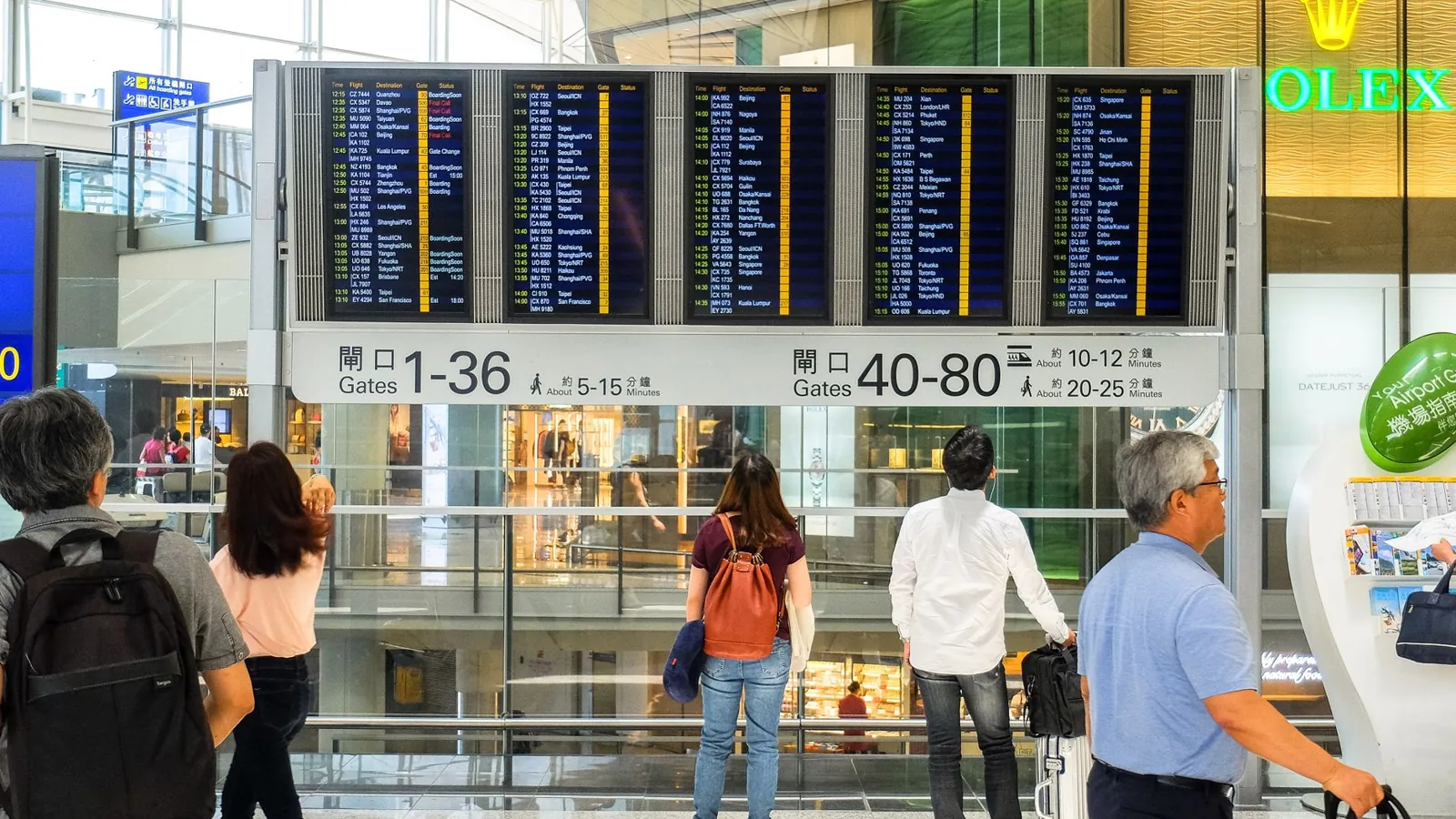
How to Use Google Flights' Cheapest Tab Without Getting Burned — illustrative featured image
## The ₹41,000 fare that wasn't A reader sent us a screenshot last week. Google Flights, Delhi to London, cheapest tab, ₹41,300 return. She booked it. Then she paid ₹3,100 for a checked bag, ₹1,900 to pick a seat next to her daughter, and discovered the return leg landed at Heathrow at 5:40am, which meant a ₹4,200 airport hotel because the first train south didn't run until 7. The ticket said ₹41,300. The trip cost ₹50,500. This is the cheapest tab's real trick. It sorts by base fare, not by what you will actually spend. That gap is where budget travellers get quietly taxed, and it is why the best promo code for flight booking is worth hunting down before you ever touch that filter. We are writing this from an Indian booking desk with prices in rupees, but the logic holds whether you fly out of Delhi, Manchester or Frankfurt. The filter is not lying. It is answering a narrower question than the one you asked. ## How we ranked these options Four criteria, applied in order: 1. **Total trip cost**, not headline fare. Base fare plus bags, seats, meals, ground transport at both ends, and one night of buffer. 2. **Refund and change rules**, because a cheap fare you cannot move is a liability, not a saving. 3. **Real availability in INR** for the routes Indian flyers actually book (Gulf, Southeast Asia, UK, Europe, US). 4. **Stackability**, meaning whether a promo code or cashback survives contact with the fare class. Anything that wins on fare but loses on points 1 and 2 does not make the list. Here is the ranking. ## 1. Google Flights cheapest tab, used as a research tool only **Cost:** free. **Who should skip it:** anyone who books the first fare they see. The cheapest tab is genuinely excellent at one job: showing you the floor. Flights from Mumbai to Bangkok in November 2026 hover around ₹14,800 return on the low-cost carriers, and Google will surface that in seconds. Use it to establish a baseline, then leave. Two habits make it safe. First, open the price graph and check whether your dates sit on a spike or a dip; a two-day shift often saves ₹6,000 to ₹9,000 on long haul. Second, click through to the airline's own site before booking. Google's "book with" links sometimes route to an online travel agent whose fare looks identical but carries a ₹1,500 convenience fee at checkout. What it will not tell you: whether that ₹14,800 fare includes a cabin bag. On most Gulf and Southeast Asian low-costers in 2026, it does not. Add ₹2,200 to ₹3,500 each way for 20kg. ## 2. Airline direct with a stackable promo code **Cost:** base fare minus ₹1,500 to ₹4,000, plus bags. **Who should skip it:** last-minute bookers, since codes rarely apply inside 7 days. This is where the real money is. Airlines running India departure routes push codes through coupon sites and their own apps, and these stack with loyalty points and card cashback in a way that OTA fares usually do not. On a ₹52,000 return to London, a ₹4,000 code plus 5% card cashback is roughly ₹6,600 back. That is more than most people save by flying at 3am. The catch is fare class. A code that says "up to ₹5,000 off" often caps at ₹1,500 on the cheapest bucket. Read the terms before you get attached. ## 3. Flight booking comparison across two or three metasearch tools **Cost:** free, about 20 minutes of your evening. **Who should skip it:** anyone booking a domestic hop under ₹5,000, where the spread is too small to justify the effort. Google Flights is not always cheapest. On India to Europe routes we consistently see Kayak and [Skyscanner](https://www.skyscanner.com/) surface fares Google misses, usually because a carrier has not fed inventory to Google's API that week. The reverse happens too. Run your route through two tools, note the cheapest total, then go direct to the airline to book. Never book the cheapest OTA result without checking its cancellation policy. A ₹1,200 saving evaporates the moment you need to change a date and the agent charges ₹4,500 to do it. ## 4. The "flexible dates" grid, used properly **Cost:** free, saves ₹5,000 to ₹15,000 on long haul. **Who should skip it:** anyone locked to school holidays or a wedding date. Google's date grid is the single most underused feature on the site. On Delhi to New York in February 2026, shifting departure by three days moved the return fare from ₹78,000 to ₹61,500 in our test. That is not a promo code. That is just looking. Pair it with the "cheapest" tab and you get the floor for your whole month, not just your chosen week. Then check the total: a ₹61,500 fare with a 22-hour layover in Istanbul costs you a hotel and a day of leave. ## 5. Split ticketing and positioning flights **Cost:** variable, often ₹8,000 to ₹20,000 cheaper, sometimes much worse. **Who should skip it:** anyone checking a bag or travelling with family. Flying Delhi to Dubai on one ticket and Dubai to London on another can undercut a through-fare by a wide margin. It also means two separate contracts. If the first leg is delayed, the second airline owes you nothing, and your bag does not transfer. We would only recommend this for solo travellers with hand luggage and a long buffer between legs. ## What we recommend **The one to use:** book direct with the airline, after finding the route on Google Flights and confirming the price on one comparison tool. Apply the best promo code for flight booking you can find for that carrier, pay with a card that gives you 3% or more back on travel, and add bags at the time of booking rather than at the airport, where the fee typically doubles. **The value pick:** Google Flights cheapest tab plus the flexible dates grid, used purely for research. It costs nothing and routinely finds ₹10,000 of headroom on long-haul routes. **The one to avoid:** the cheapest OTA result with no cancellation policy and a fare that excludes a cabin bag. It looks like the winner on the results page and loses by ₹6,000 at the airport. One more thing. Before you pay, price the whole trip. Fare, bags, seats, the 5am arrival, the airport transfer, the extra night. Write the number down. If it beats your second-choice flight by less than ₹4,000, take the better schedule. Sleep is worth something. ## FAQ ### Is the Google Flights cheapest tab always the cheapest option? No. It sorts by base fare, which excludes bags, seats and ground transport. A fare that looks ₹3,000 cheaper can cost ₹8,000 more once you add the extras and the awkward arrival time. ### Do promo codes work on the cheapest fare classes? Sometimes, but the discount is usually capped well below the headline. A "₹5,000 off" code often pays ₹1,500 on the lowest bucket. Check the fare class in the terms before you count on it. ### Should I book through Google Flights or the airline directly? Book direct. You get a cleaner change and refund process, and [promo codes](/blog/walmart-vs-target-vs-amazon-which-return-policy-is-best) and loyalty points usually stack better. Use Google Flights to find the route and the price floor, then buy from the carrier.

Frequently asked questions

Is the Google Flights cheapest tab always the cheapest option?

No. It sorts by base fare, which excludes bags, seats and ground transport. A fare that looks ₹3,000 cheaper can cost ₹8,000 more once you add the extras and the awkward arrival time.

Do promo codes work on the cheapest fare classes?

Sometimes, but the discount is usually capped well below the headline. A "₹5,000 off" code often pays ₹1,500 on the lowest bucket. Check the fare class in the terms before you count on it.

Should I book through Google Flights or the airline directly?

Book direct. You get a cleaner change and refund process, and [promo codes](/blog/walmart-vs-target-vs-amazon-which-return-policy-is-best) and loyalty points usually stack better. Use Google Flights to find the route and the price floor, then buy from the carrier.