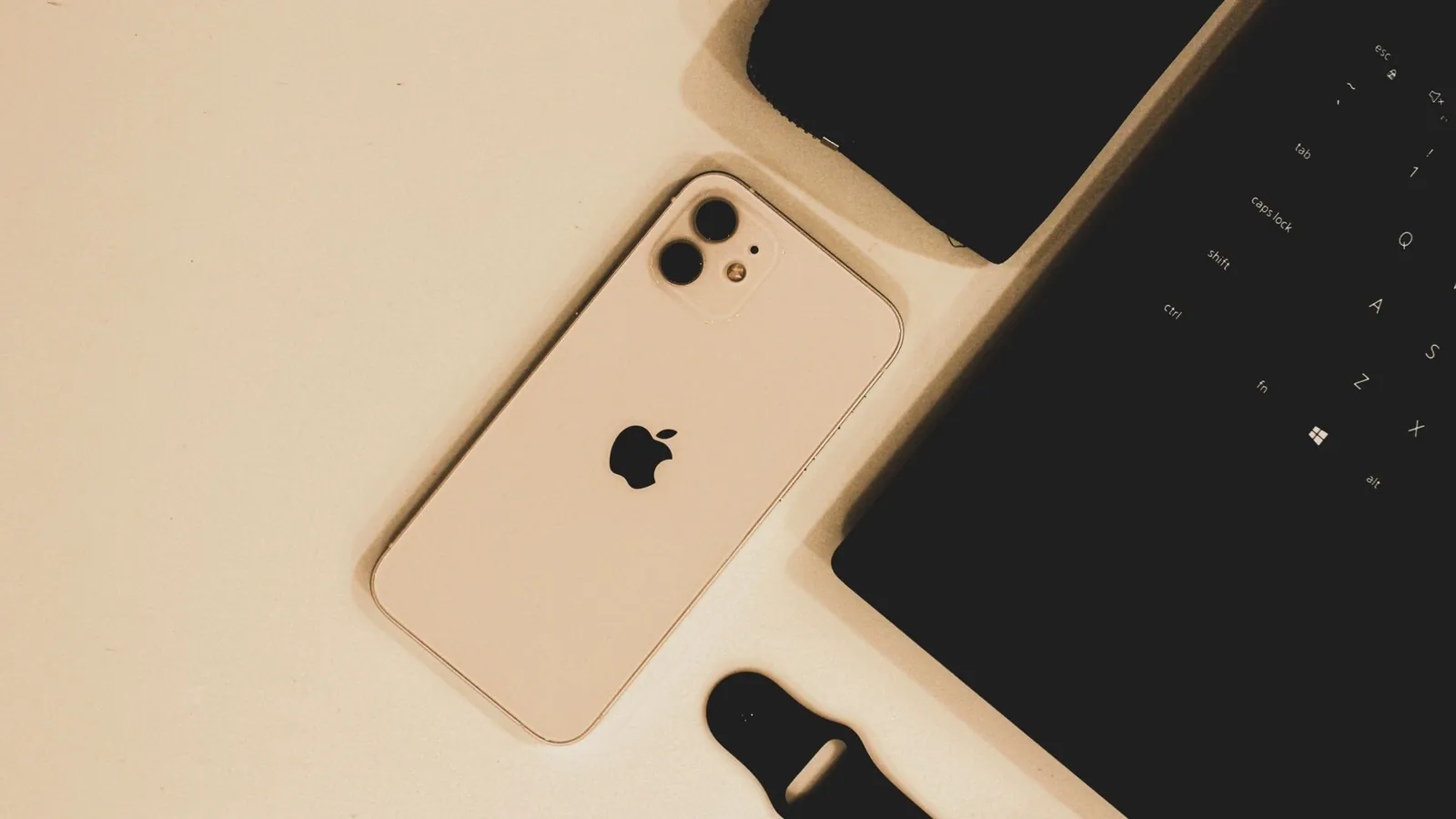
iPhone 17 Pro Max Under ₹72,000: Best Buy Sale Today
Stack exchange bonuses, bank discounts, and cashback to drop the iPhone 17 Pro Max effective price below ₹72,000. Here is the ranked playbook.
# iPhone 17 Pro Max Under ₹72,000? How to Get the Best Effective Price
A ₹1,44,900 sticker price and a ₹72,000 checkout are not the same phone buying experience. They are the same phone, bought by two different people. The gap between them is not luck. It is a stack of offers, applied in the right order, before the stock runs out.
Apple's iPhone 17 Pro Max launched at ₹1,44,900 for the 256GB model in India. As of this week, a combination of exchange bonuses, bank instant discounts, and cashback is pulling **effective prices** below ₹72,000 for buyers holding a decent trade-in. If you have been waiting for a **[best buy sale today](/blog/the-ultimate-guide-to-black-friday-2026-sales-in-india-dates-deals)** to justify the upgrade, this is the window. Here is how the math actually works, ranked by how much it saves you.
## The problem: sticker price is not your price
Most people walk into a store, see ₹1,44,900, and walk out. That is a mistake. In India, the price you pay is a negotiation between four separate systems: the retailer's listing price, your old phone's trade-in value, your bank's card offer, and the cashback portal you remembered to click through. Miss one, and you leave ₹10,000 to ₹20,000 on the table.
The Bhaskar English report this week flagged that effective prices on the [iPhone 17 Pro](/blog/iphone-17-pro-deals-in-india-how-to-get-the-lowest-price-during-sales) Max have dropped below ₹72,000. That number is real, but only for a specific buyer with a specific old phone and a specific card. We are going to break down which levers matter most, and in what order.
## Selection criteria before the ranking
We ranked these strategies on four things:
1. **Size of the saving.** How many rupees come off the actual checkout price.
2. **Reliability.** How often the offer actually works when you try it.
3. **Effort.** How much paperwork, waiting, or haggling it costs you.
4. **Reversibility.** Whether you can walk away if the deal sours.
A ₹20,000 exchange bonus you cannot claim is worth less than a ₹5,000 bank discount that always clears. We weighted reliability heavily.
## The ranked options
### 1. Exchange offer (the biggest lever)
This is where the gap between ₹1,44,900 and ₹72,000 actually lives. Retailers like [Flipkart](https://www.flipkart.com/), [Amazon India](/blog/black-friday-for-indian-retailers-how-to-maximize-your-rewards), and Croma run enhanced exchange bonuses during sale periods, sometimes adding ₹8,000 to ₹15,000 on top of your phone's base trade-in value.
If you are trading in an iPhone 14 Pro or a Samsung Galaxy S23, expect a base value around ₹35,000 to ₹45,000, plus a bonus of ₹10,000 or more during a sale. That single move can take ₹50,000 off the sticker.
**Who should skip it:** anyone with a cracked screen, a swollen battery, or a phone older than four years. The bonus shrinks fast once the inspection team sees damage, and you will have already committed to the purchase.
### 2. Bank instant discount
HDFC, ICICI, Axis, and SBI all run card offers during major sale events. A typical instant discount is ₹5,000 to ₹7,500 on transactions above ₹50,000. It applies at checkout, so it is the cleanest saving on this list.
The catch: it is usually capped, and it often excludes the no-cost EMI route. Pick one or the other, not both.
**Who should skip it:** buyers without a credit card from a participating bank. Debit card offers exist but are smaller, usually ₹1,500 to ₹2,500.
### 3. Cashback portals and wallet credits
This is the forgotten lever. Clicking through a cashback portal before you buy can return 2% to 5% of the order value as wallet credit, paid 30 to 90 days later. On a ₹90,000 order, that is ₹1,800 to ₹4,500.
It is not instant, and it is not cash. But it is real money if you shop online regularly.
**Who should skip it:** anyone who needs the full discount at checkout. Cashback arrives after the fact, and it will not help your card statement this month.
### 4. No-cost EMI (a cash-flow tool, not a discount)
No-cost EMI spreads the payment over 6 or 12 months without interest, but it usually forfeits the instant bank discount. Treat it as a budgeting tool, not a saving. If you have the cash, pay upfront and take the discount instead.
### 5. Corporate and student programs
Apple's education store and several corporate benefit portals offer 5% to 10% off. These stack poorly with sale discounts, but they are reliable year-round. Worth checking before you commit to a sale price.
## What the numbers look like
Here is a realistic stack for a buyer trading in an iPhone 14 Pro during a sale event:
| Line item | Amount (INR) |
|---|---|
| iPhone 17 Pro Max 256GB list price | 1,44,900 |
| Exchange base value (iPhone 14 Pro) | 42,000 |
| Enhanced exchange bonus | 12,000 |
| Bank instant discount (HDFC card) | 7,000 |
| Cashback portal (3%) | 2,500 |
| **Effective price** | **81,400** |
That is a ₹63,500 saving. To push below ₹72,000, you need a higher trade-in (an iPhone 15 Pro, for instance) or a stacked loyalty credit. The headline number is achievable, but it is not the default.
## Our take: what to actually do
The **one to buy** is the 256GB iPhone 17 Pro Max, purchased through Flipkart or [Amazon](https://www.amazon.com/) India during a flagged sale window, with an exchange and a bank card offer stacked. That combination is the most reliable path to a sub-₹85,000 effective price, and with a strong trade-in, below ₹72,000.
The **value pick** is the 256GB iPhone 17 Pro, not the Max. It saves you ₹20,000 off the top and the exchange math works the same. Unless you specifically need the larger screen and the Max's camera system, you are paying a premium for a spec sheet.
The **one to avoid** is buying at full price on a no-cost EMI with no exchange. You will pay ₹1,44,900 over 12 months and lose the bank discount. That is the most expensive way to buy this phone.
One honest note: if you do not have a phone worth trading in, the sub-₹72,000 figure is out of reach. The best you will do is around ₹1,30,000 with a bank offer. Wait for the next sale cycle rather than force a bad trade.
## FAQ
**Is the ₹72,000 price real or a marketing trick?**
It is real, but conditional. It requires a high-value trade-in plus a stacked exchange bonus plus a bank discount. Without a trade-in, the floor is closer to ₹1,30,000.
**Can I stack a bank offer with no-cost EMI?**
Usually not. Most banks exclude EMI transactions from instant discounts. Pick the discount if you have the cash.
**When is the next best window to buy?**
Major Indian sale events (festive season, Republic Day, and mid-year sales) carry the deepest exchange bonuses. Outside those windows, the bank offers shrink by half.
Frequently asked questions
Is the ₹72,000 price real or a marketing trick?
It is real, but conditional. It requires a high-value trade-in plus a stacked exchange bonus plus a bank discount. Without a trade-in, the floor is closer to ₹1,30,000.
Can I stack a bank offer with no-cost EMI?
Usually not. Most banks exclude EMI transactions from instant discounts. Pick the discount if you have the cash.
When is the next best window to buy?
Major Indian sale events (festive season, Republic Day, and mid-year sales) carry the deepest exchange bonuses. Outside those windows, the bank offers shrink by half.
 MetroMandi